1. Foster STEM Citizenship Through STEM Communication & Public Engagement
Campus Projects & Public Engagement Efforts to Foster STEM Citizenship in P-16 Students
Target Audience: P–16 Students
- CAREER: Enhanced Ferroelastic Toughening in Electroceramic Composites through Microstructural Coupling
- CAREER: Spatiotemporal Avalanche Kinetics in Size-Dependent Crystal Plasticity
- CAREER: Transforming Electronic Devices Using Two-dimensional Materials and Ferroelectric Metal Oxides
- CAREER: Ultrafast Imaging and Spectroscopy of Cooperative Phenomena in Photomagnetic Nanomaterials
- CAREER:Water and Energy Sustainability in the Built Environment: Systems Science for the Blue City
- Catalyst and Methodology Development for the Synthesis of Highly Tunable Polyolefins
- Collaborative Research: Fracture and Healing of Elastomers: An Experimental and Theoretical Investigation at High Spatiotemporal Resolution
- Engineering Research Center for Power Optimization for Electro-Thermal Systems (POETS)
- Strategies: Catalyzing Inclusive STEM Experiences All Year Round
- Worldwide Youth in Science and Engineering (W.Y.S.E.)
Campus Projects to Improve STEM Teacher Training and Professional Development Quality
Target Audience: STEM Teachers
- Advancing Arctic Paleoecology: An Integrative Approach to Understanding Species Refugia and Population Dynamics in Response to Late-Quaternary Climate Change
- CAREER: Noticing and Using Students' Prior Knowledge in Problem-Based Instruction
- EAGER Collaborative Proposal: Developing Engineering Faculty as Engineering Education Researchers Through Mentorship
- PIRE: Integrated Computational Materials Engineering for Active Materials and Interfaces in Chemical Fuel Production
- Strategies: Catalyzing Inclusive STEM Experiences All Year Round
CAREER: Enhanced Ferroelastic Toughening in Electroceramic Composites through Microstructural Coupling
National Science Foundation Award #1654182
Jessica Krogstad
Materials Science and Engineering
Dates: June 1, 2017–May 31, 2022 (Estimated)
NON-TECHNICAL DESCRIPTION: Specific bonding configurations in ceramic materials enable unique functionalities in a wide range of advanced applications, including superconductive wires in supercomputers, precise gas sensors in automotive exhaust and tilt sensors in consumer electronics. However, these same atomic bonds are also the responsible for the characteristic brittle failure behavior of ceramics. This research is generating new perspectives on fundamental mechanical responses within a class of electrical ceramics necessary to enhance durability without sacrificing electrical performance. By coupling these insights with processing science, this project is accelerating the development of new electroceramic materials and material systems that may drastically expand the existing limits of performance and durability. Through a variety of education and outreach activities, this project also promotes engagement and retention of traditionally underrepresented students. These activities include a high school summer camp for young women interested in material science, integration of industrially relevant, computational tools into undergraduate courses, and expanded mentorship of female graduate students within the college of engineering.
TECHNICAL DETAILS: This project is experimentally establishing a fundamental relationship between otherwise stochastic morphological features and intrinsic toughening mechanism in order to systematically design highly durable, ferroelastic/ferroelectric functional composites. Ferroelastic switching is one of a limited number of intrinsic toughening mechanisms available for advanced ceramics, yet it is not fully utilized due to the largely uncharacterized relationship between localized morphological features, efficient activation of domain nucleation and motion, and resultant improvements in toughness. By bridging this gap using in situ microscopy and targeted micromechanical probes, this research is providing the foundation for accelerated physics-based design of more durable ceramic composite systems. Finally, the state of the art characterization and processing methods used in this project in combination with a data-driven integrated computational materials engineering perspective is enhancing the overall development of graduate students, preparing them for an ever more digitally-reliant materials science industry.
CAREER: Spatiotemporal Avalanche Kinetics in Size-Dependent Crystal Plasticity
National Science Foundation Award #1654065
Christoph Robert Eduard Maass
Materials Science and Engineering
Project Dates: June 1, 2017–May 31, 2022 (Estimated)
Non-Technical Abstract: When a metallic component is stressed to the extent that it plastically deforms, many defects operate to allow the permanent shape change. In crystalline metals, which means practically all technical alloys, these defects are called dislocations. Acting cooperatively, many dislocations can begin to move at the same time. This process can lead to abrupt plastic instabilities that deteriorate the structural stability of components and eventually trigger failure. One main problem with such collective, avalanche-like, processes is that they occur spontaneously, which means that they are hard to predict. In addition, these dislocation avalanches are confined to the nanometer scale and proceed extremely fast. As a result, very little is known about how they proceed in space and time. In this research effort, the PI and his students will unravel the precise dynamics of dislocation avalanches. We will not only track their spatiotemporal dynamics, but we will also define how they respond to changes in temperature. This will be done by unique micro-scale and temperature-dependent deformation experiments with extremely fast response dynamics. General statistical and physical models that are predicted to describe the avalanche behavior will be tested with the experimental data, and novel deformation models will be proposed. A successful completion of our research will lead to a better control of structural stability, and drive the development of mathematical models that can predict avalanches and therefore failure. Since avalanches occur in many other systems, such as earthquakes, disordered materials, or magnetism, the significance of the here-obtained results will extend well beyond plasticity of metals. In order to increase the nation's diversity and retention of underrepresented groups in STEM education, the PI will develop an educational program in the area of solid materials for the middle-school age-bracket, which he will present in outreach activities at schools, and also pioneer a new middle-school camp for girls. These interventions will be integrated with active learning techniques that the PI is currently implementing in undergraduate education.
Technical AbstractThis proposal will tackle a notoriously difficult problem that controls the structural integrity of metallic materials: How do local structural instabilities proceed in the space-time-temperature domain? These instabilities are caused by collective defect dynamics, called dislocation avalanches in crystals. The challenge lies in the spatial confinement and the short time scales of such processes. Using nanoseconds time resolution in combination with sub-nanometer displacement resolution during a temperature-dependent micro-scale straining experiment, the objective will be to trace dislocation avalanches in real time. This will be achieved by extending a commercially available nanoindenter with MHz data sampling capabilities, and to integrate the system into a cryostat. Four main thrusts compose the core of this research program: 1) non-linear modeling of the device-sample dynamics, 2) experimental validation of theoretically predicted scaling laws, 3) unraveling the transition from intermittent to smooth plastic flow, and 4) determining thermal activation parameters for dislocation avalanche dynamics. If successful, the hereby generated large experimental data set will be a unique basis for the development of predictive materials modeling, and may lead to a better control of the depinning transition and thus the strength of structural materials. Key of this project will be a unified experimental approach with highly time-resolved and temperature-dependent small-scale deformation experiments that can assess the velocity-profiles of dislocation avalanches, thereby scrutinizing recently proposed theories for avalanches near the depinning transition. The impact of these efforts is a first real-time assessment of a dynamic phase in crystal plasticity, which will improve our physical understanding of a process that ultimately dictates the mechanical stability of metals, or forming of small metallic components. The results will be relevant for bulk metals in general, and provide numerous important parameters for materials modeling and systems that undergo similar dynamic phase transitions, ranging from crystals to granular materials. Unravelling avalanche characteristics will furthermore provide a coarse-grained view on dislocation plasticity that can bridge between dislocation dynamics and constitutive crystal plasticity modeling, which may directly lead to more efficient multi-scale modeling frameworks.
CAREER: Transforming Electronic Devices Using Two-dimensional Materials and Ferroelectric Metal Oxides
National Science Foundation Award #1653241
Wenjuan Zhu
Electrical and Computer Engineering
Project Dates: February 1, 2017–January 31, 2022 (Estimated)
Nontechnical description: Next generation information technology is driving the quest for energy efficient electronic devices to process unprecedented amounts of data in real time and in an energy- and cost-efficient manner. In this program, the principle investigator (PI) is planning to create and evaluate novel energy efficient electronic devices based on a new hybrid material platform consisting of two-dimensional (2D) materials (mono-/di-chalcogenides and graphene) and ferroelectric metal oxides (doped hafnium and zirconium oxides). The ferroelectric metal oxides provide programmable and non-volatile doping in 2D materials, while the atomically thin bodies in 2D materials enable strong electrostatic control over the channel by the ferroelectric metal oxides. Most previous research on 2D/ferroelectric hybrid materials has focused on traditional perovskite ferroelectric materials. This proposed work will undertake the first systematic study of 2D materials on newly discovered ferroelectric hafnium and zirconium oxides, which have the advantages of excellent scalability, high coercive field, and full compatibility with complementary metal oxide semiconductor (CMOS) technology. The PI's team will investigate the synthesis of this new hybrid material platform and create ultra-low power logic, memory, and analog devices based on these materials. The low power logic and memory devices based on these materials will be essential for mobile devices, medical implantable devices, wearable electronics, and large data centers. Analog classifiers based on these materials will enable high speed and low power signal processing and image recognition systems. 3D integration of these low power 2D ferroelectric devices with high speed silicon circuits will result in next-generation highly parallel and ultra-low power systems to support "Big Data" applications such as the Internet of Things and social media. The PI will integrate research and teaching by creating a new graduate/undergraduate course on 2D materials to train the next generation workforce in nanoelectronics. The PI will establish several outreach activities including a new "Little Einstein" science education program for elementary students to cultivate young minds at an early age to respect and embrace a career in science and technology. The PI will also establish a "Girls Go Tech" program for middle school girls to promote enrollment of female students in science and engineering programs.
Technical description: The objective of the proposed research is to establish the foundation for a new research direction: nanoelectronics based on 2D/ferroelectric metal oxides hybrid material platform. The PI's team will synthesize and characterize 2D/ferroelectric metal oxide stacks, seeking fundamental understanding of the ferroelectric phase transition in metal oxides with 2D materials as substrate/capping layers. The team will also utilize these materials to create energy efficient logic, memory, and analog devices. Specifically, the team will create and evaluate novel 2D ferroelectric tunneling field effect transistors (2D Fe-TFETs) to serve as ultra-low power logic; will investigate 2D ferroelectric hafnium oxide transistors (2D FHOT) to implement highly energy efficient, scalable, and durable ferroelectric random access memory (FRAM); will create embedded-gate graphene ferroelectric transistors (EGGFTs) to realize highly energy-efficient, extremely compact, and non-volatile analog classifiers. These devices will then be stacked layer-by-layer to realize 3D monolithic integration. This research will elucidate the device physics and evaluate the potential of these devices for future semiconductor technology. The resulting 3D integrated system will provide the hardware foundation for new circuit and architecture designs. This research is potentially transformative as it may unlock new lines of research and development in energy efficient devices, circuits, and architectures with a broad range of emerging applications from wearable electronics and implantable medical devices to data centers.
CAREER: Ultrafast Imaging and Spectroscopy of Cooperative Phenomena in Photomagnetic Nanomaterials
National Science Foundation Award #1751725
Renske van der Veen
Chemistry
Project Dates: March 1, 2018– February 28, 2023 (Estimated)
Improvements in digital technology rely heavily on reducing the size of electronic components. Over the past three decades, the basic building blocks of computer chips have shrunk to nanometer dimensions, or about 1000 times smaller than a human hair. In this size range, nanostructures exhibit new properties and behaviors that are not observed in their bulk counterparts. The appearance of new nanomaterials that change their shape when exposed to light have the potential to impact many different technologies. However, watching a single particle change its shape in the laboratory presents unique challenges, since the time needed to switch from one form to the other is exceedingly short and cannot be captured by the fastest camera. In this project funded by the Chemical Structure Dynamics and Mechanism (CSDM-A) program of the Chemistry Division, Professor Renske M. Van der Veen at the University of Illinois at Urbana-Champaign (UIUC) is building a microscope that uses very short bursts of electrons (less than a millionth of a millionth of a second) to watch as a single nanostructure change its shape in response to light. Professor Van der Veen and her students are using this microscope to gain fundamental insight into the cascade of switching events that occur in metal-organic nanomaterials after light excitation. The results from this work could impact technologies ranging from data storage to optical switches in telecommunication, and thus could have significant benefit to society. As part of this CARRER project, Professor Van der Veen is developing new educational activities that will train the next generation of scientists in this emerging experimental methodology.
Room temperature photoswitching is highly desired for realistic applications in functional devices. This project is advancing our understanding of first-order thermal phase transitions with cooperative hysteresis phenomena that occur around room temperature. Photoexcitation inside the hysteresis region may lead to efficient, "complete" switching of magnetic, dielectric and/or structural properties at the single-nanoparticle level. The project's focus is on iron- and iron-cobalt spin-crossover coordination polymers of different dimensionality, which undergo a rearrangement of electrons in their lowest d-orbitals upon light excitation. Transient absorption spectroscopy, ultrafast X-ray spectroscopy at synchrotron facilities, and a newly developed ultrafast electron microscope are used to investigate the interplay between structural and electronic degrees of freedom after photoexcitation. The project is also studying the mechanisms, time scales and efficiencies pertinent to cooperative photoswitching. The broader impacts of this work include STEM workforce enhancement through the development of a "3-Day Synchrotron Boot Camp" for undergraduate and graduate students, as well as research-integrated lectures and demonstration modules for female and underprivileged middle-school students.
CAREER:Water and Energy Sustainability in the Built Environment: Systems Science for the Blue City
National Science Foundation Award #1847404
Ashlynn Stillwell
Civil and Environmental Engineering
Project Dates: September 1, 2019–August 31, 2024 (Estimated)
Nontechnical Description: This career project is targeted to advance water and energy sustainability in the built environment through integrated research and education at the frontier of systems science. Water and energy are two vital and highly interconnected resources. In the energy-water nexus, innovations in infrastructure and policy can transform cities towards sustainability goals. Moving beyond the traditional sustainability paradigm of the "green city" focused primarily on energy, this project aims to create solutions for water sustainability, termed here the "blue city". Advancing both water and energy infrastructure systems can be synergistic: the "blue city" is to be explored as a component of the "green city". To advance sustainability in the built environment, the project plan considers the utility, city, and residential scales to capture the range in different systems science approaches, from top-down and bottom-up perspectives, including the integration between the two approaches.
The integrated research (R) and education (E) objectives are: R1) Characterize the energy sustainability of the water sector in urban areas, using operational data from U.S. cities; R2) Deploy smart water metering systems in residential homes to disaggregate and characterize end uses; R3) Integrate water data with energy data to predict city-scale outcomes from efficiency programs and investments; E1) Develop, implement, and evaluate in-class, online, and informal coursework integrating concepts of water and energy technologies and policies; E2) Organize and implement STEM programming events on water and electricity topics in collaboration with the Girl Scouts of Central Illinois. Outcomes from the research and education objectives are anticipated to generate new, previously unquantified knowledge of the energy-water nexus. At the utility scale, systems science advancements include collecting,organizing, curating, and openly publishing a comprehensive database of treated flow and energy consumption (and recovery, where applicable) at U.S. water and wastewater utilities, and benchmarking direct and indirect water and energy consumption from an urban metabolism perspective. At the residential household scale, innovative expected results include creating characteristic models of residential water demand patterns from a previously unstudied temperate-humid climate, using Chicago as a testbed. Integrating the utility and household scales to the city scale, advancements include predicting resource efficiency outcomes from statistical models correlating electricity and water consumption. Additional contributions include citizen science training and data collection with Girl Scouts and innovative pedagogical approaches to water and energy sustainability curriculum, building on findings from research analyses and producing data to inform research approaches.
Catalyst and Methodology Development for the Synthesis of Highly Tunable Polyolefins
National Science Foundation Award #1800068
Damien Guironnet
Chemical and Biomolecular Engineering
Project Dates: July 1, 2018–June 30, 2021 (Estimated)
Polymers are among the most important building materials in the modern world. One class of polymer, polyolefins, comprises the largest fraction of industrial polymers. Despite their importance, polyolefins have some limitations that prevent even broader use. One of these limitations is the difficulty in expanding their physical and chemical properties beyond what is now known. For example, the introduction of chemical functionality will improve compatibility with other materials. In this project, Dr. Damien Guironnet of the University of Illinois is developing new catalytic strategies to enable the introduction of tunable, functional chemical groups within the polyolefin structure. Dr. Guironnet is actively engaging in outreach activities that build upon his research to promote student engagement in the science, technology, engineering, and mathematics (STEM) disciplines. In particular, Dr. Guironnet is leading Chemical Engineering Department interactions with the St. Elmo Brady STEM Academy in Champaign, IL. This activity is improving the education of underrepresented primary school students and encouraging their interest in STEM careers.
With funding from the Chemical Catalysis Program of the Chemistry Division, Dr. Guironnet of the University of Illinois at Urbana - Champaign is developing a synthetic strategy to enhance the chemical tunability of polyolefins. The technical approach being investigated consists of performing a chain transfer polymerization technique using late transition metal catalysts and silane as chain transfer agents. The transformative aspect of this research is the ability to incorporate almost any molecule at the end of any polyolefin. The establishment of this strategy is paired with in-depth mechanistic studies of the chain transfer polymerization mechanisms. The undergraduate and graduate students involved with the project are gaining expertise in polymer science, catalysis and inorganic chemistry. This broad set of skills provides a unique training with great career opportunities. Dr. Guironnet is actively engaged in STEM outreach programs focused on the recruitment of African American boys in regional rural primary schools into the STEM fields in support of the broader impacts of the project.
Collaborative Research: Fracture and Healing of Elastomers: An Experimental and Theoretical Investigation at High Spatiotemporal Resolution
National Science Foundation Award #1901583
Oscar Lopez-Pamies
Civil and Environmental Engineering
Project Dates: June 1, 2019–May 31, 2022 (Estimated)
The phenomena of fracture nucleation and fracture propagation in elastomers and other soft organic solids have long occupied the interest of numerous investigators across different disciplines. While some but separate progress has been made in the basic qualitative understanding of both, there is a lack of a quantitative and unified understanding that bridges the two phenomena. In this context, this award supports a research collaboration on the theoretical and experimental analysis of how fracture nucleates, propagates, and possibly self-heals in elastomers subjected to arbitrarily large deformations. In addition to addressing a fundamental scientific question that has remained open for decades, the knowledge sought by this research is essential for the advancement of a broad range of technologies and medical prognoses. For instance, the results from this project will provide direct insight into: the failure of tires, the design of stronger adhesives, the rupture of aneurisms, the design of cartilage, modeling of wound healing, etc. Additionally, this project will train two graduate students for careers in academia or industry and will integrate research results in the undergraduate and graduate curricula at the University of Illinois Urbana-Champaign and the University of Texas at Austin. The PIs will also carry out activities to promote interest in high school students to pursue higher education and careers in STEM programs, especially in the field of mechanics, through the creation of lesson modules and laboratory demonstrations.
The main objective of this project is two-fold: i) to carry out experiments at high spatiotemporal resolution that produce quantitative measurements concerning internal fracture nucleation and propagation, as well as healing, in three elastomers of practical significance, and ii) to construct and numerically implement a continuum theory that, with direct guidance from the experiments, describes, explains, and predicts the nucleation and propagation of fracture, and healing in elastomers undergoing arbitrarily large viscoelastic deformations. The experimental component entails the development of new experiments that will leverage the use of optical microscopy and high-speed imaging in order to capture and measure the evolution of the various underlying processes at an unprecedented spatiotemporal resolution of 1 micron and 200 microseconds. On the other hand, the theoretical component involves a novel mathematical formulation, and associated numerical implementation, that views fracture and healing in a unified manner as a phase transition and that allows, by design, for the accounting of the various underlying mechanisms (storage of energy by elastic deformation and dissipation of energy by viscous deformation and the creation of new surfaces) in a clear, natural, and theoretically consistent manner.
Engineering Research Center for Power Optimization for Electro-Thermal Systems (POETS)
National Science Foundation Award #1449548
Andrew Alleyne,
Kenneth Goodson,
Sonya Teresa Smith,
Homer Mantooth,
Paul Braun
Mechanical Science and Engineering
Dates: August 1, 2015–July 31, 2025 (Estimated)
Nearly all modern electronic systems are hitting a power density wall where further improvements in power density pose significant challenges. The NSF Engineering Research Center for Power Optimization for Electro-Thermal Systems (POETS), aims to enhance or increase the electric power density available in tightly constrained mobile environments by changing the design. The management of high-density electrical and thermal power flows is a safety-critical societal need as recent electrical vehicles and aircraft battery fires illustrate. Engineering education conducted in silos limits systems-level approaches to design and operation. POETS will create the human capital that is explicitly trained to think, communicate, and innovate across the boundaries of technical disciplines. The Engineering Research Center (ERC) will institute curricular reform to train across disciplines using a systems perspective. It will develop pedagogical tools that allow greater stems-level understanding and disseminate these throughout the undergraduate curriculum. POETS will target undergraduate curriculum modifications aimed at early retention and couple it with undergraduate research and K-12 teacher activities. POETS' research will directly benefit its industry stakeholders comprised of power electronics Original Equipment Manufacturers (OEM) and Small to Medium sized businesses in the OEM supply chain. An Industry/Practitioner Advisory Board will help direct efforts towards ready recipients of POETS research developments. POETS will harness the outputs of the ecosystem and drive research across the "valley of death" into commercialization.
POETS uses system level analysis tools to identify barriers to increased power density. Design tools will be used to create optimal system-level and subsystem-level designs. Novel algorithm tools will address the multi-physics nature of the integrated electro-thermal problem via structural optimization. Once barriers are identified, POETS will cultivate enabling technologies to overcome them. The operation of these systems necessitates development of heterogeneous decision tools that exploit multiple time scale hierarchies and are not suitable for real-time use. Implementation of these management approaches requires new 3D power electronics architectures that surpass current 2D designs. The thermal management will be tightly coupled with new 3D electronic systems designs using topology optimization for power electronics, storage, etc. The new designs will tightly interweave elements such as solid state thermal switches and modular multi-length scale elements; i.e. spreaders, storage units, phase change and mass flow system interacting with convection units. Fundamental research advances will support development of the 3D component technologies. New materials systems will be developed by manipulating nanostructures to provide tunable directionality for in plane and out-of-plane thermal power flows. These will be coupled with micro- and nano-scale thermal routing based on new conduction/convection systems. Buffers made from phase change material will be integrated into these systems to augment classes of autonomic materials with directed power flow actuation. Novel tested systems will integrate the system knowledge enabling technologies and fundamental breakthrough into modular demonstrations.
Strategies: Catalyzing Inclusive STEM Experiences All Year Round
National Science Foundation Award #1850398
Lynford Goddard,
Luisa-Maria Rosu,
Benjamin Williams,
Lara Hebert
Project Dates: March 15, 2019–February 28, 2022 (Estimated)
This project will advance efforts of the Innovative Technology Experiences for Students and Teachers (ITEST) program to better understand and promote practices that increase students' motivations and capacities to pursue careers in fields of science, technology, engineering, or mathematics (STEM) by preparing middle school students for advanced science and math courses, and for engineering careers. The project seeks to promote inclusion, diversity, equity, and access for learning experiences and careers in STEM. It provides middle and high school students opportunities and resources to immerse themselves in STEM activities throughout the year. The project has identified guidance counselors as an untapped resource. Counselors play a pivotal role as gatekeepers to informal learning opportunities and to educational paths into STEM careers. The project also enables multiple school stakeholders to effectively prepare students for a STEM major/career. This effort will benefit society by widening the path to high-demand, high-wage, high-skill STEM jobs and thereby improve the diversity of our nation's technical workforce. The project is a 3-pillar intervention strategy with 24 partner schools participating in a comprehensive 10-day (80 hour) summer institute to equip teams (each consisting of a counselor, a teacher, and a third school stakeholder) with the knowledge, attitudes, behaviors, and resources to act as effective STEM advocates. The project will facilitate a school-year networked improvement community (NIC) that connects teams within and across schools as research is being conducted to better understand and address underlying inclusion, diversity, equity, and access issues in STEM. The NIC process will allow the PIs to work with the teams to implement out-of-school-time STEM clubs to provide unique engineering design, project-based, and other hands-on experiences to 1,000 students throughout the school year.
The Strategies project will address the following questions. What learning experiences involving emerging technologies effectively enable diverse populations of students gain familiarity and relevant competencies with these technologies, and what factors influence the outcomes of the learning experiences? What factors and key experiences effectively promote awareness of STEM careers, motivation to pursue a STEM career, and persistence in undertaking education pathways to those careers, particularly among students from underrepresented populations? What strategies to engage principals, guidance counselors, and other school system administrative leaders effectively promote student and teacher adoption and effective use of practices and technologies that support STEM learning and career awareness, and what factors influence the outcomes of those strategies? The fundamental project goal is to enable female, underrepresented minority, and/or low-income middle and high school students to participate in sustained, intensive, hands-on STEM learning experiences that build technical knowledge and ability and that offer insights into different STEM careers. The project will enable students access to participate, make the impact of such experiences endure, integrate them with other school efforts, and purposely engage underrepresented students. The project team has significant infrastructure for the summer camps and an extensive network of partner schools, districts, and career and technical education consortia to assist in implementing and institutionalizing the strategies. Using a mixed-methods approach, the project team will examine program effectiveness on the development of technical skills and self-efficacy in students and on the practices of counselors and other team members. Each out-of-school-time STEM club will be outfitted with equipment, software, and using published curriculum materials to do challenging yet age-appropriate projects that teach basic concepts in design of experiment, analog and digital circuits, signals, electromagnetics, communications, controls, power and energy, microscopy, nanotechnology, photonics, algorithms, and programming. Scholarships will be provided to 228 students to attend existing STEM summer camps at the University of Illinois, where the students can explore different STEM majors and develop technical skills under the guidance of university faculty in high-tech instructional labs. The project team will investigate the synergistic effects of school year STEM clubs, university-hosted summer camps, and a NIC that includes counselors and teachers. The research is potentially transformative because it creates a new paradigm for advancing students' interest, self-efficacy, abilities, and pathways in STEM.
This award reflects NSF's statutory mission and has been deemed worthy of support through evaluation using the Foundation's intellectual merit and broader impacts review criteria.
Worldwide Youth in Science and Engineering (W.Y.S.E.)
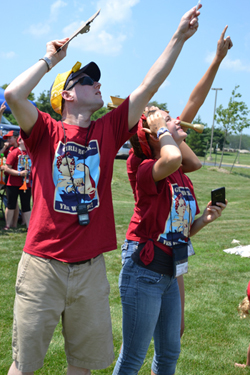
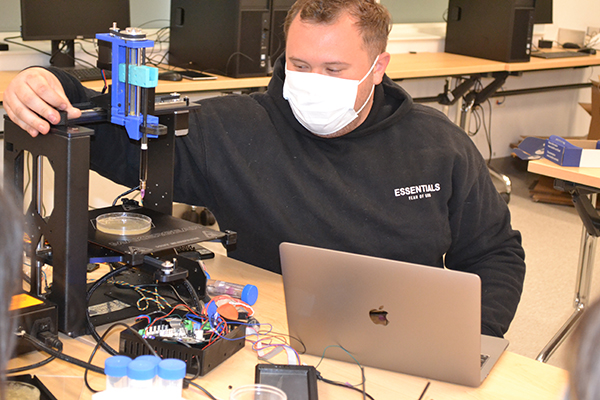
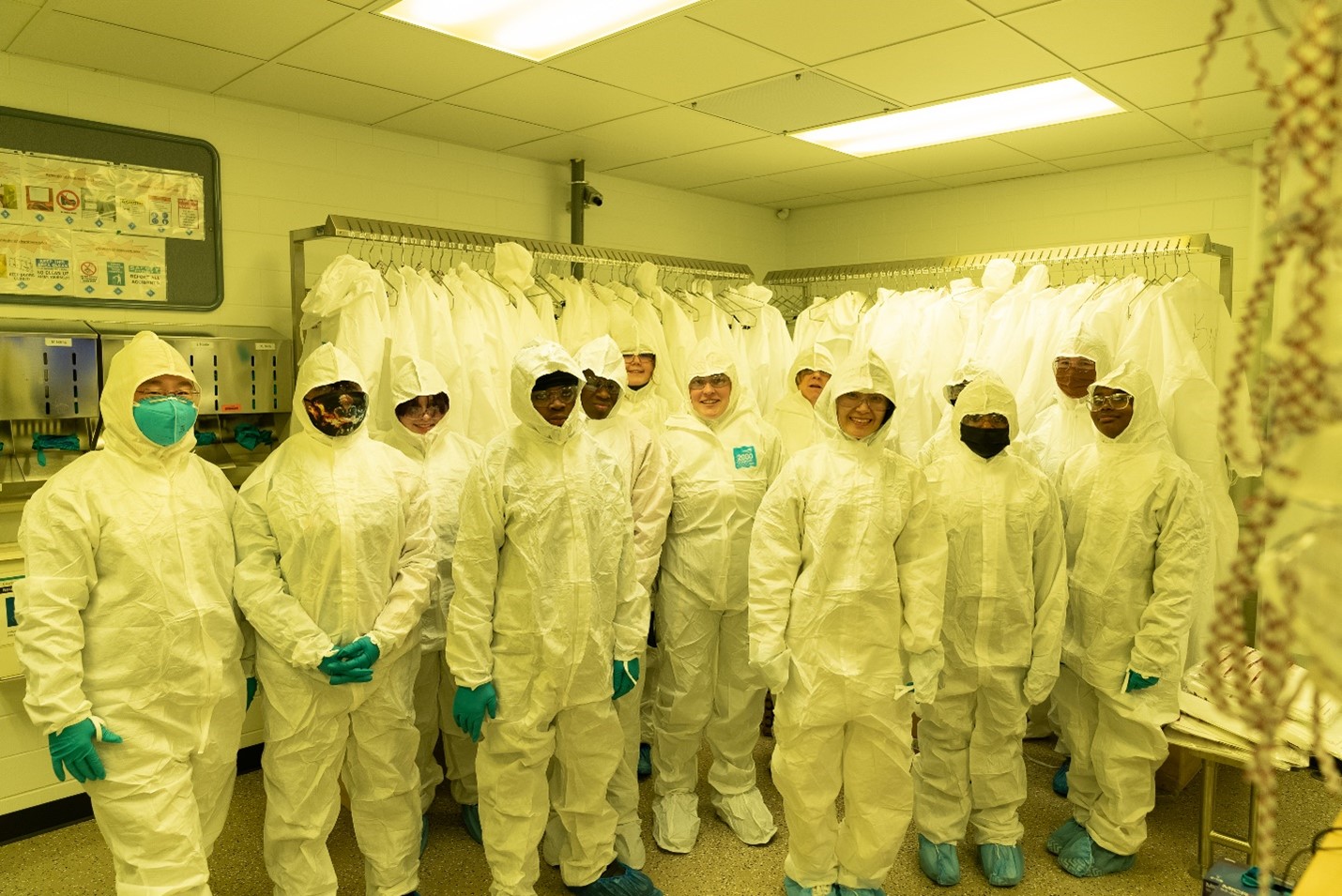
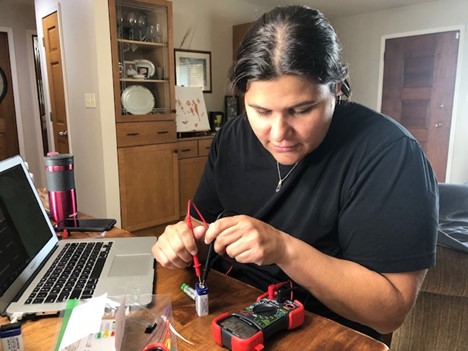
W.Y.S.E. participants working in lab.
Abbott Laboratories
Caterpillar Foundation
John Deere Foundation
Motorola Foundation Innovation Generation Grants
Shell Oil Company
EXXON Mobil
Women in Engineering
WYSE Summer Camps at the University of Illinois at Urbana-Champaign’s Grainger College of Engineering are designed to provide STEM-interested students the opportunity to experience advanced curricula, world-class facilities, and an “away from home,” collegiate experience at one of the best engineering schools in the nation and the world. The camps provide exposure to different areas of engineering through demonstrations, classroom presentations, hands-on activities, and interactions with various students, staff, and professors in those fields.
Advancing Arctic Paleoecology: An Integrative Approach to Understanding Species Refugia and Population Dynamics in Response to Late-Quaternary Climate Change
National Science Foundation Award # 1418339
Feng Sheng Hu
Department of Plant Biology
Project Dates: August 1, 2014 - July 31, 2021 (Estimated)
This project will use an innovative approach to investigate glacial refugia and population dynamics associated with vegetation responses to late-Quaternary climate change in Alaska and adjacent Canada. The research will test the following hypotheses based on data from two target species (Picea glauca and Alnus viridis): (1) Multiple Last Glacial Maximum refugia existed for each species in isolated areas nested in a complex topography, and the locations of these refugia differed between species; (2) Some of the refugial populations expanded to form modern species ranges whereas others remained largely restricted to their Last Glacial Maximum locations; (3) Within and between species, refugial populations spread at different rates and in different directions during the early postglacial period; and (4) Glacial refugia existed in areas with low climate velocity, and the directions and rates of postglacial colonization were determined by the spatial patterns of climate velocity. Graduate and undergraduate students will receive transdisciplinary training and gain a broad perspective to global change study. This project will provide intellectual focus, financial resources, and mentorship for the career development of three young investigators. Research results will be disseminated broadly to the scientific community, the public, and land managers. The centerpiece of the outreach activities is a workshop to educate high school teachers on Arctic climate and ecological changes. Through these teachers, a large group of midwestern students will be exposed to the excitement of Arctic research. Materials from the workshop will be disseminated online to a broad audience.
The approach will integrate genomic analysis, species distribution modeling that involves remote-sensing techniques, climate-velocity mapping, and existing fossil data in a hierarchical Bayesian modeling framework. The proposed research will uncover cryptic glacial refugia in the study region, elucidate the landscape and climate contexts for refugial populations, and offer new insights into population dynamics in late-Quaternary vegetation development. The project promises to provide spatially explicit, population-level details of species range shifts in relation to climate change that cannot be reliably acquired using conventional paleoecological analyses. Equally important, this project may serve as a model demonstrating the utility of a crosscutting approach to investigate the impacts of climate change on plant population processes in the paleorecord. The novel approach that will be developed through this project presents an opportunity to advance Arctic paleoecology and foster next generation research and training in the discipline.
EAGER Collaborative Proposal: Developing Engineering Faculty as Engineering Education Researchers Through Mentorship
National Science Foundation Award #1914735
Karin Jensen
Bioengineering
Project Dates: February 15, 2019-January 31, 2021 (Estimated)
This exploratory project investigates how engineering faculty learn to become engineering education researchers through mentoring relationships via the NSF-funded Research Initiation in Engineering Formation grants. Findings from this research are used to develop training materials and inform a networking event intended to pair engineering faculty interested in engineering education research with potential mentors at different institutions. Training engineering faculty in engineering education research expands the number of faculty adopting research-based instructional practices in their courses, and results in improved teaching, advising, programming, and policy-making by closing the research-to-practice gap.
While previous mentorship models have focused on the content of engineering education as a field, this work identifies effective strategies from successful mentoring relationships that incorporate the social and cultural components of becoming an engineering education researcher. By conducting qualitative interviews of engineering faculty and engineering education researchers mentee-mentor pairs, the study the study develops a conceptual model of the formation of engineering education researchers' identity. This model clarifies how researchers undergo a paradigm shift and potential career pivot to expand their expertise in a related, but distinct, discipline of engineering education. This novel approach provides important information to enhance existing training materials and to develop additional training opportunities for engineering faculty who are interested in conducting engineering education research. Additionally, the model has implications for understanding job retraining and approaches for engaging faculty in lifelong learning.
PIRE: Integrated Computational Materials Engineering for Active Materials and Interfaces in Chemical Fuel Production
National Science Foundation Award # 1545907
N Aluru,
Scott Barnett,
Petros Sofronis,
Sharon Hammes-Schiffer,
Elif Ertekin
Department of Mechanical Science and Engineering
Project Dates: October 1, 2015 - September 30, 2021 (Estimated)
A major challenge before renewable energy technologies can be implemented at global scales is to find a way to store the energy produced by intermittent sources such as the wind and the sun. Existing technologies fail to meet the energy storage demand and novel solutions are needed. An attractive technology that can potentially meet the growing demand is solid oxide electrolysis, where electrical energy produced by renewables is converted into chemical energy and stored for later use. Solid oxide electrolysis cells (SOECs) are complex, integrated material systems that use electrical energy as input to catalyze chemical reactions that produce chemical fuels. However, at present SOECs last for only a few hundreds of hours primarily because of degradation and failure at interfaces and in the bulk. In this project, an international partnership, comprising the University of Illinois at Urbana-Champaign, University of California at Berkeley, and Northwestern University in the U.S. and Kyushu University in Japan, has been formed to demonstrate an integrated approach to enabling SOEC technology. This PIRE award uniquely combines the world-class experimental resources and expertise at KU with the complimentary experimental expertise at UCB and NU, and the world-class computational facilities and expertise at Illinois to solve the energy storage grand challenge. This project will have a lasting institutional impact, including long-term synergistic collaborations between U.S. and Japan; extensive research and training for students and early career investigators in cutting-edge interdisciplinary topics in an international collaborative context, and outreach to K-12 teachers, science museums and summer camps. The integrated PIRE project will advance research in a number of disciplinary areas, including materials, physics, chemistry, engineering and computational science, and create a global citizenry to power the future.
This project will develop an integrated computational and experimental approach to design efficient, reliable, low temperature, extended lifetime SOECs. The novel aspects of the proposal are: 1) Computational and experimental design of novel proton and oxygen-ion conducting electrolytes. This effort will involve the design and development of proton conducting oxides with sufficient stability, operating temperature of 600?aC or lower, higher energy efficiencies at acceptable current density and high proton conductivity. 2) Computational and experimental design of novel electrodes focusing on chemistry and microstructure. This effort will involve the design and development of high-activity electrodes based on microstructure optimization and materials activity. In addition, a detailed understanding of new electrodes such as the Ruddlesden-Popper structures and ordered perovskites will be developed. 3) Computational models and experimental validation of degradation modes in SOECs. This will involve the development of a comprehensive understanding of degradation modes at electrolyte/electrode interfaces focusing on relationships between temperature and applied potential to cation segregation, bubble formation, delamination and fracture. The computational effort is strongly tied with the experimental effort and all computational predictions will be validated with experiments. Undergraduate, graduate and postdoctoral researchers will be engaged in a rich US-Japan exchange program and their PIRE research and education experience will prepare them for challenging positions in the global workplace. Outreach activities will focus on K-12 engagement, teacher training, disseminating knowledge via science museums, and summer camps.
Strategies: Catalyzing Inclusive STEM Experiences All Year Round
National Science Foundation Award #1850398
Lynford Goddard,
Luisa-Maria Rosu,
Benjamin Williams,
Lara Hebert
Project Dates: March 15, 2019–February 28, 2022 (Estimated)
This project will advance efforts of the Innovative Technology Experiences for Students and Teachers (ITEST) program to better understand and promote practices that increase students' motivations and capacities to pursue careers in fields of science, technology, engineering, or mathematics (STEM) by preparing middle school students for advanced science and math courses, and for engineering careers. The project seeks to promote inclusion, diversity, equity, and access for learning experiences and careers in STEM. It provides middle and high school students opportunities and resources to immerse themselves in STEM activities throughout the year. The project has identified guidance counselors as an untapped resource. Counselors play a pivotal role as gatekeepers to informal learning opportunities and to educational paths into STEM careers. The project also enables multiple school stakeholders to effectively prepare students for a STEM major/career. This effort will benefit society by widening the path to high-demand, high-wage, high-skill STEM jobs and thereby improve the diversity of our nation's technical workforce. The project is a 3-pillar intervention strategy with 24 partner schools participating in a comprehensive 10-day (80 hour) summer institute to equip teams (each consisting of a counselor, a teacher, and a third school stakeholder) with the knowledge, attitudes, behaviors, and resources to act as effective STEM advocates. The project will facilitate a school-year networked improvement community (NIC) that connects teams within and across schools as research is being conducted to better understand and address underlying inclusion, diversity, equity, and access issues in STEM. The NIC process will allow the PIs to work with the teams to implement out-of-school-time STEM clubs to provide unique engineering design, project-based, and other hands-on experiences to 1,000 students throughout the school year.
The Strategies project will address the following questions. What learning experiences involving emerging technologies effectively enable diverse populations of students gain familiarity and relevant competencies with these technologies, and what factors influence the outcomes of the learning experiences? What factors and key experiences effectively promote awareness of STEM careers, motivation to pursue a STEM career, and persistence in undertaking education pathways to those careers, particularly among students from underrepresented populations? What strategies to engage principals, guidance counselors, and other school system administrative leaders effectively promote student and teacher adoption and effective use of practices and technologies that support STEM learning and career awareness, and what factors influence the outcomes of those strategies? The fundamental project goal is to enable female, underrepresented minority, and/or low-income middle and high school students to participate in sustained, intensive, hands-on STEM learning experiences that build technical knowledge and ability and that offer insights into different STEM careers. The project will enable students access to participate, make the impact of such experiences endure, integrate them with other school efforts, and purposely engage underrepresented students. The project team has significant infrastructure for the summer camps and an extensive network of partner schools, districts, and career and technical education consortia to assist in implementing and institutionalizing the strategies. Using a mixed-methods approach, the project team will examine program effectiveness on the development of technical skills and self-efficacy in students and on the practices of counselors and other team members. Each out-of-school-time STEM club will be outfitted with equipment, software, and using published curriculum materials to do challenging yet age-appropriate projects that teach basic concepts in design of experiment, analog and digital circuits, signals, electromagnetics, communications, controls, power and energy, microscopy, nanotechnology, photonics, algorithms, and programming. Scholarships will be provided to 228 students to attend existing STEM summer camps at the University of Illinois, where the students can explore different STEM majors and develop technical skills under the guidance of university faculty in high-tech instructional labs. The project team will investigate the synergistic effects of school year STEM clubs, university-hosted summer camps, and a NIC that includes counselors and teachers. The research is potentially transformative because it creates a new paradigm for advancing students' interest, self-efficacy, abilities, and pathways in STEM.
This award reflects NSF's statutory mission and has been deemed worthy of support through evaluation using the Foundation's intellectual merit and broader impacts review criteria.
Our vision for Illinois as a land-grant institution is to foster accessible, effective STEM teaching and learning—from preschool through graduate education—at local, state, and national levels, thereby preparing a highly able citizenry and diverse STEM workforce to tackle pressing global challenges.
View I-STEM News
I-STEM Internship Opportunity
I-STEM is recruiting! We need enthusiastic undergrad and/or grad students for two roles, depending upon student strengths/interests.
Apply for internship here.




.jpg)